Case Study
Navigate IDD
A governed RAG-based education system that transforms complex Medicaid waiver regulations into verified multilingual video content.
Outcome
Demonstrated how AI can responsibly scale public-sector education while keeping policy accuracy and human approval central to the workflow.
- Project Type
- RAG system and public-sector education workflow
- My Role
- AI systems product designer
- Users
- Families, policy teams, subject matter experts, and content reviewers
- Status
- Prototype / system design project
System at a Glance
- 1Policy Documents
- 2Knowledge Layer
- 3RAG Script Generation
- 4Human Review
- 5Translation
- 6Video Generation
- 7Metadata and Distribution
- 8Published Education Content
Screenshots and Video
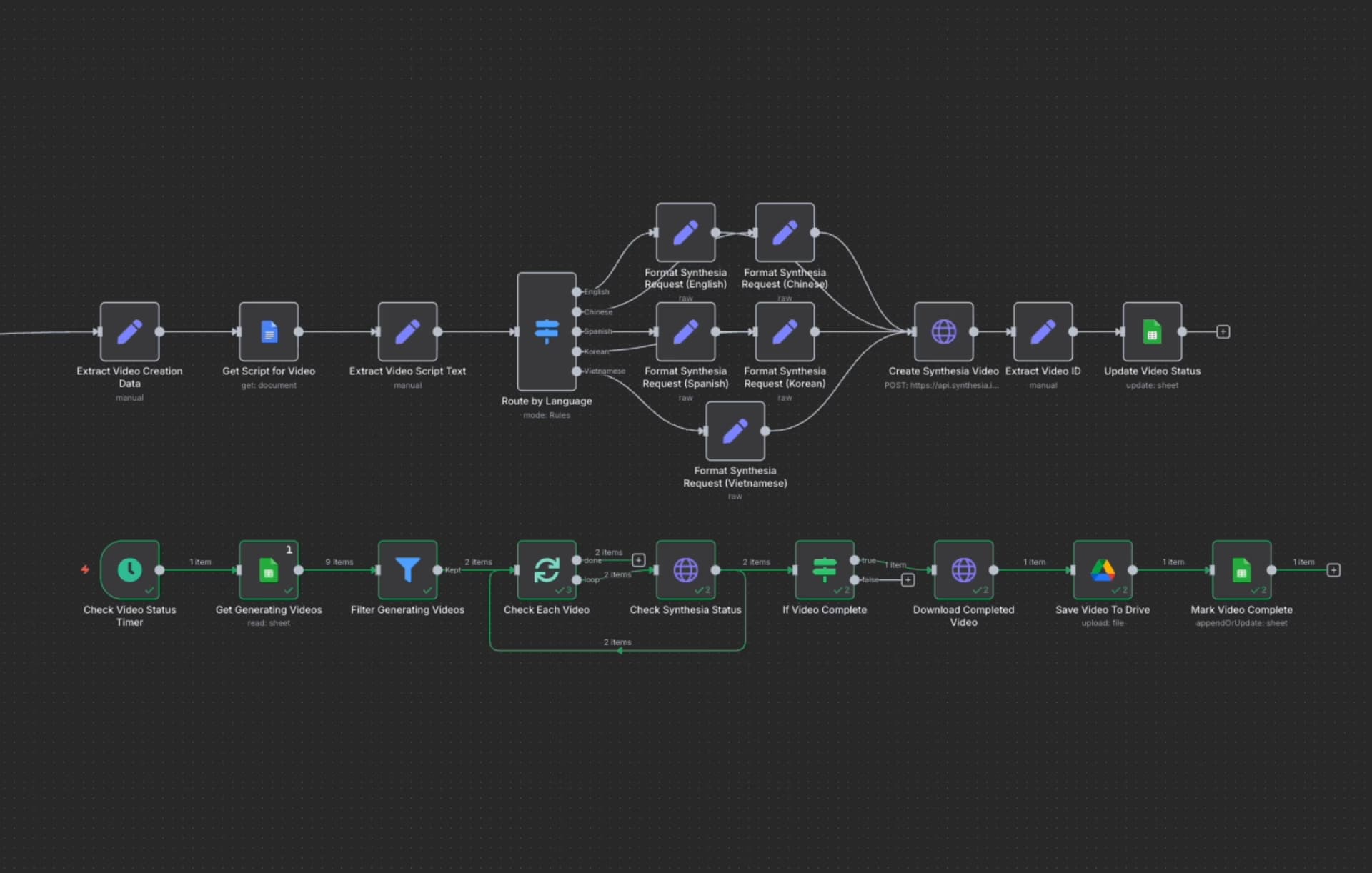
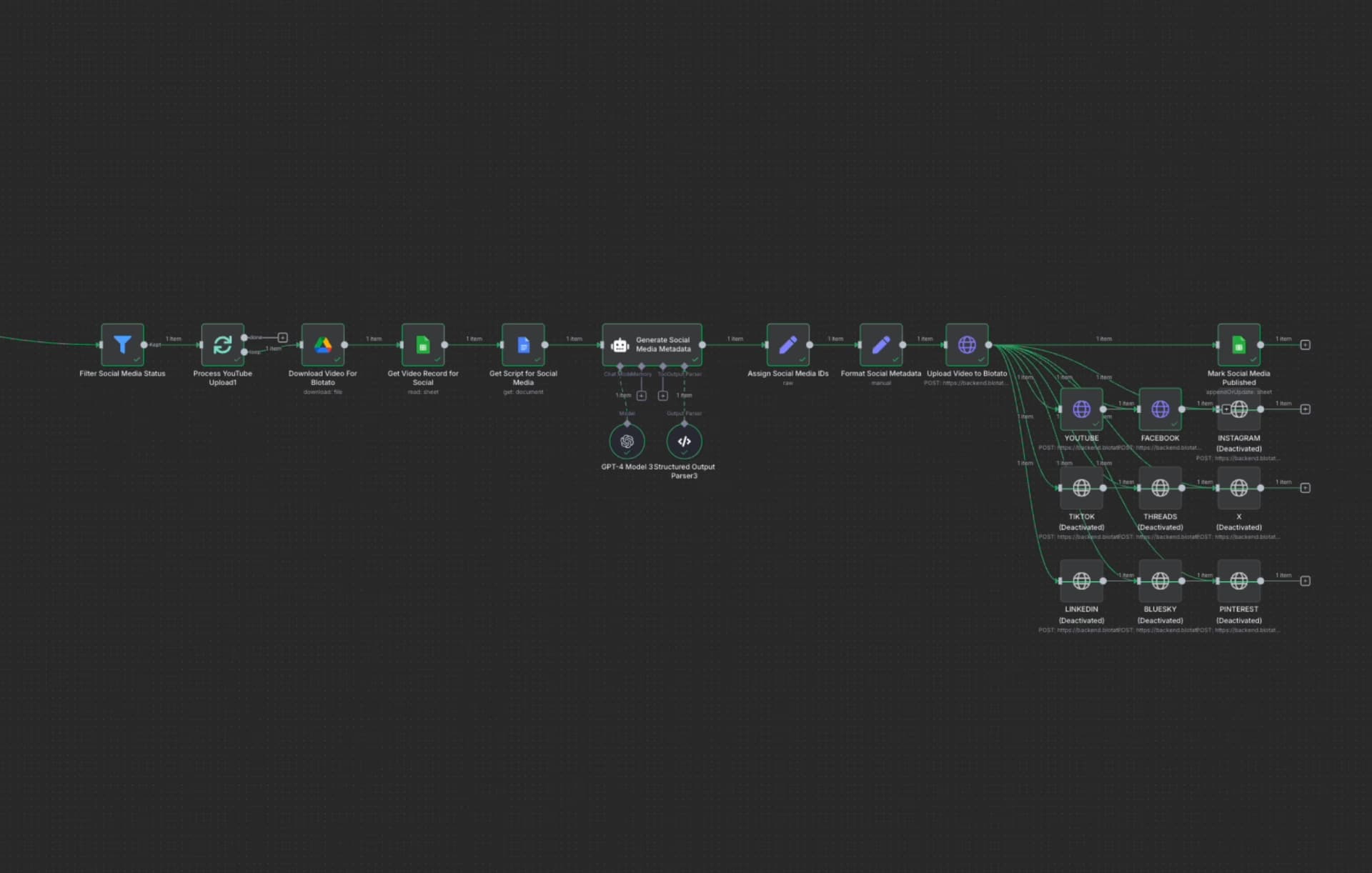
Overview
Navigate IDD is a governed AI system designed to transform complex Medicaid waiver regulations into verified multilingual educational videos.
The project focuses on making dense policy information more accessible while preserving review, traceability, and compliance-oriented controls.
Business Problem
Families seeking disability services often encounter confusing waiver language and long policy documents. Critical guidance may also be unavailable in accessible formats or languages.
Traditional video production is slow to update, while unconstrained generative AI is risky in regulated or policy-sensitive contexts.
Solution
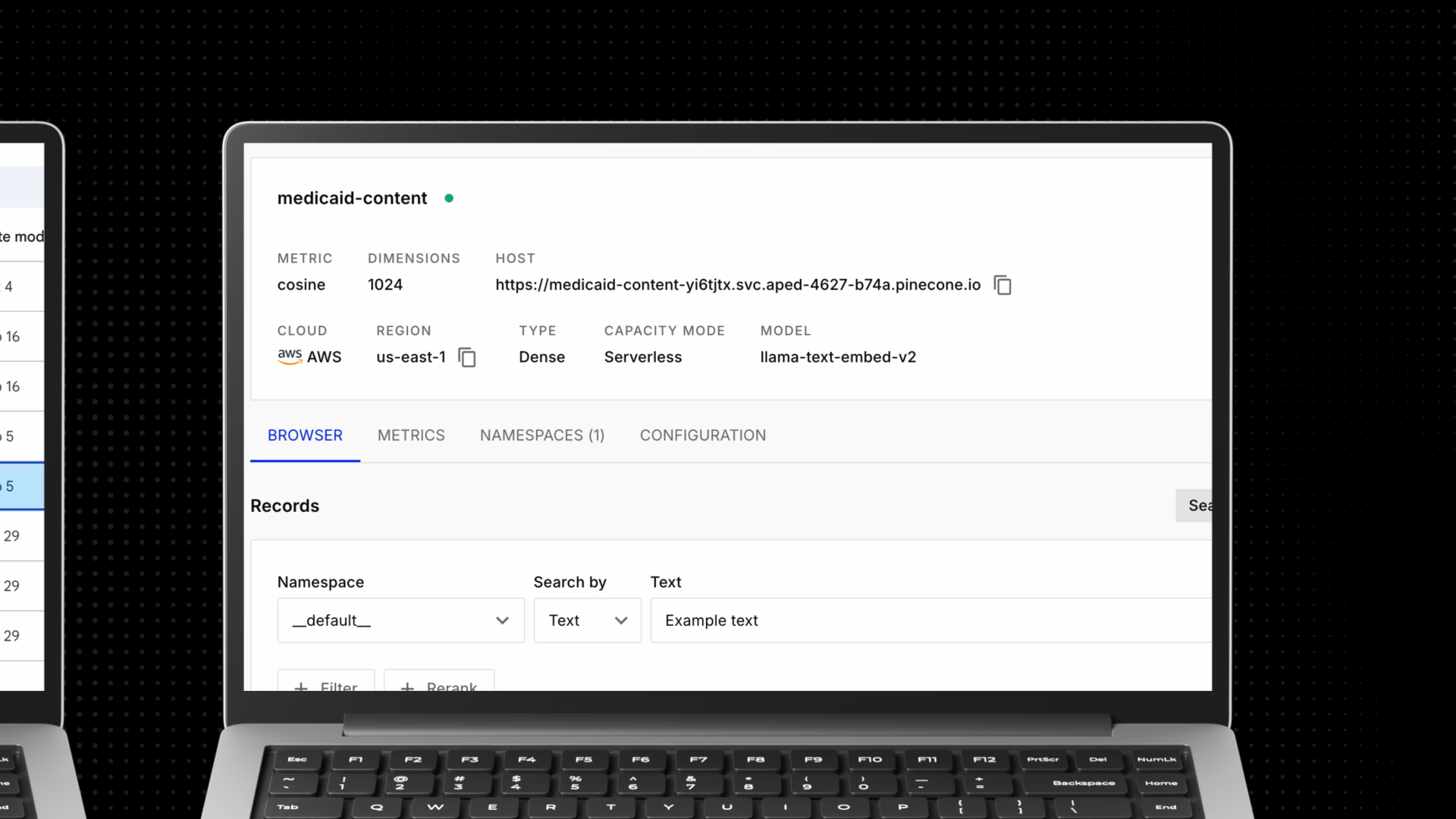
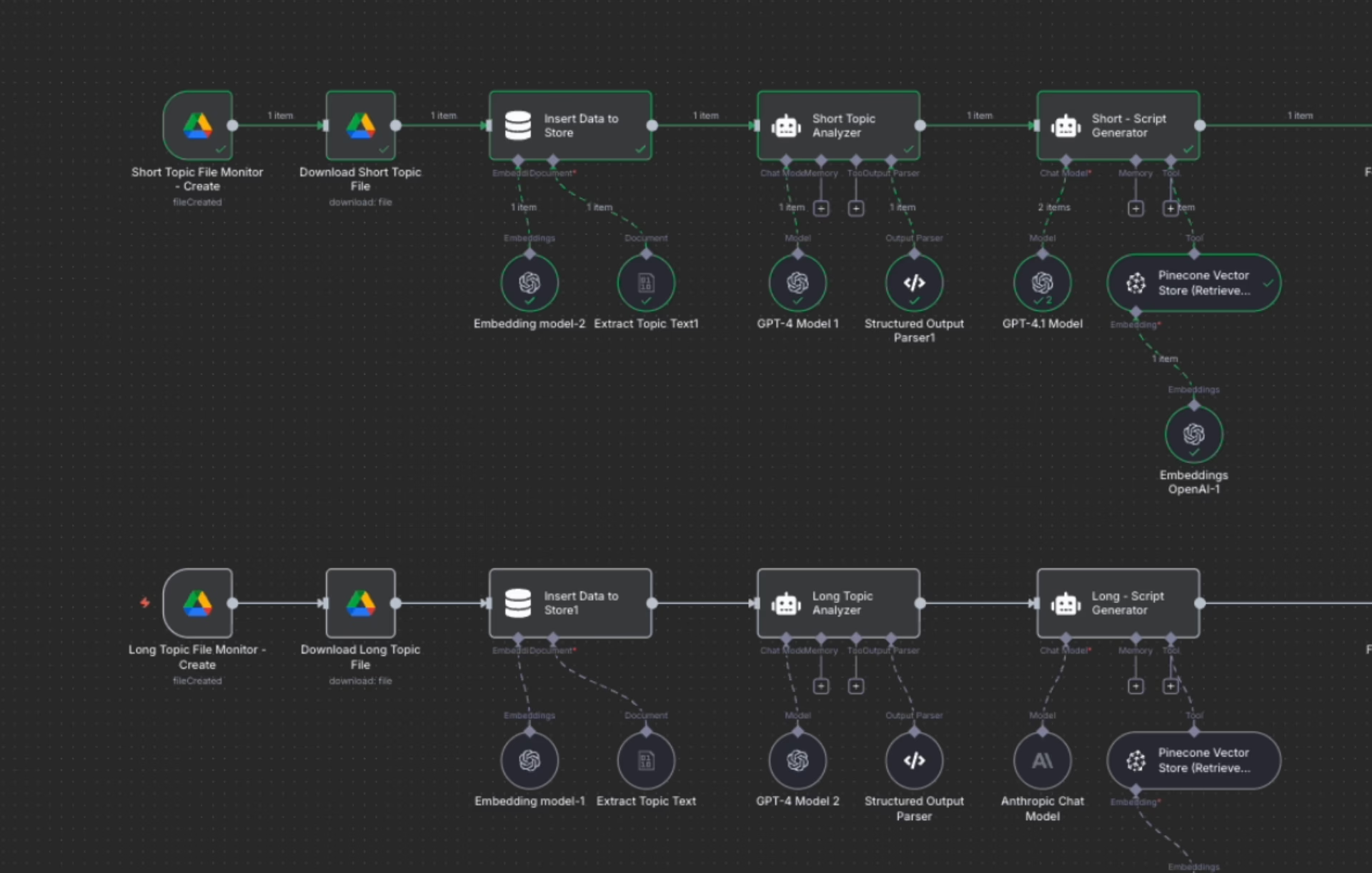
The system uses retrieval-augmented generation to ground AI outputs in verified policy documents. AI drafts structured scripts from retrieved policy context, then subject matter experts review and approve the content before production.
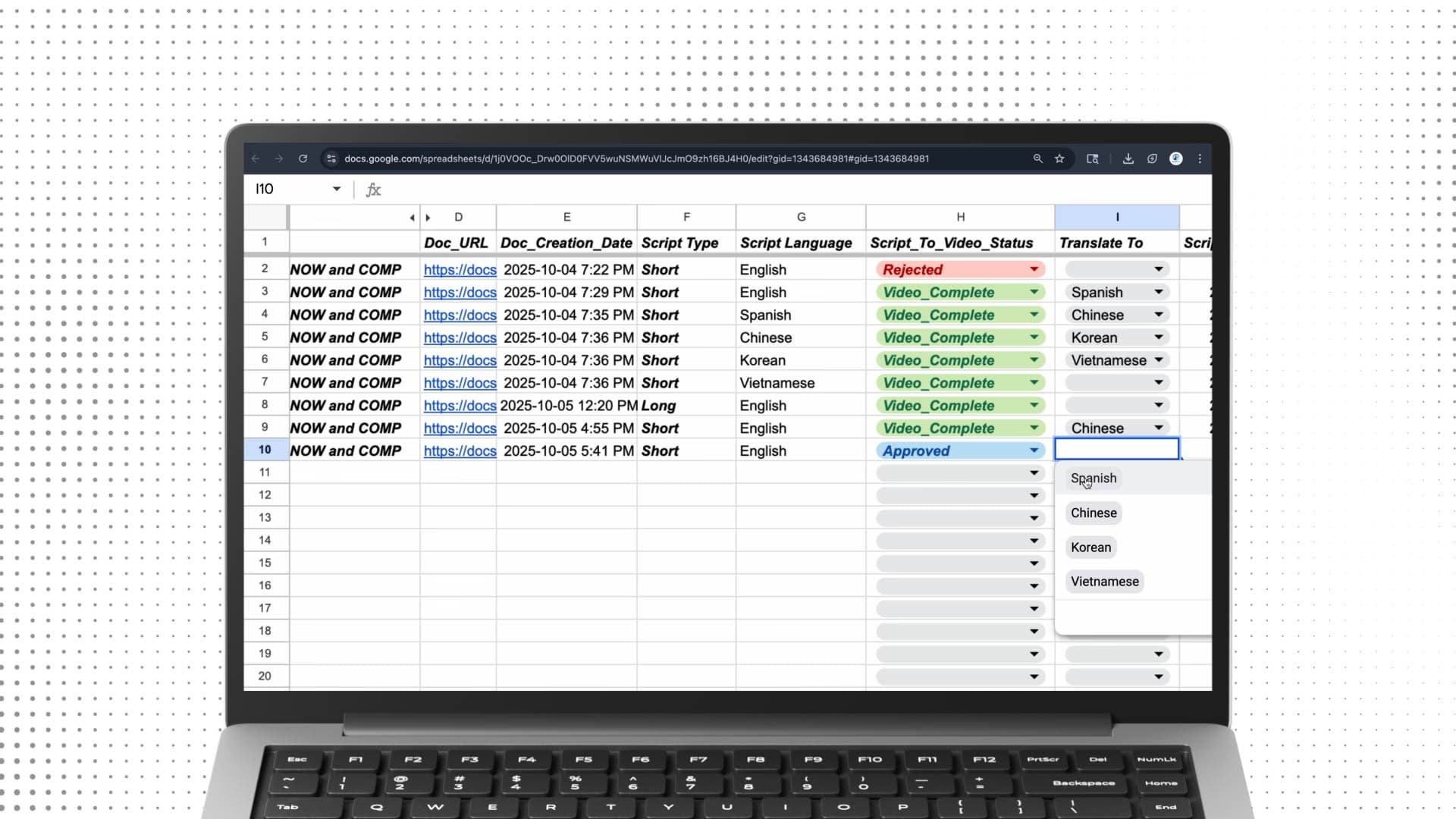
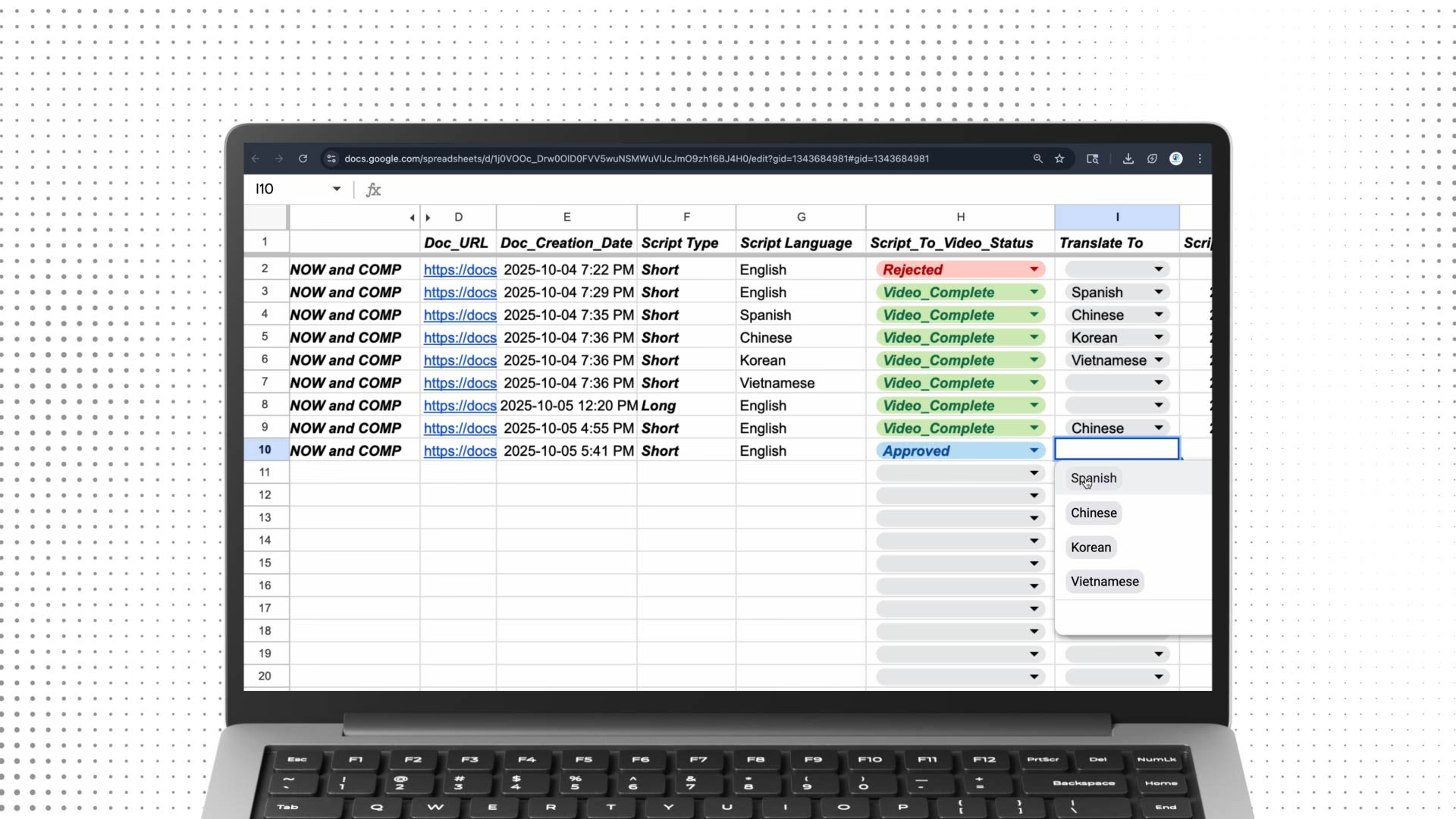
Approved scripts can be translated and converted into multilingual educational videos, with distribution metadata prepared downstream.
Governance and Human Review
The workflow is designed around human approval. Subject matter experts review scripts before video production so the system supports policy education without removing human responsibility for accuracy.
My Contributions
- Architected the RAG-based workflow from policy source material to reviewed script output
- Designed the human-in-the-loop review model
- Mapped the pipeline across script generation, translation, video production, and distribution
- Helped frame the system around accuracy, accessibility, and traceability
- Translated a complex policy education problem into a structured AI workflow
Technical and Product Decisions
- Used a policy knowledge layer to reduce hallucination risk
- Separated generation from approval so reviewers control final content
- Designed the workflow to support multilingual output after review
- Kept the system focused on education and accessibility rather than autonomous policy interpretation
- Prioritized traceability from generated scripts back to source policy context
Outcome and Lessons Learned
Navigate IDD validated a repeatable pattern for responsible AI in policy education: ground outputs in source documents, make review explicit, and use automation to scale production after content has been approved.
Technologies and Capabilities
Outcome
- Reduced content production time by moving from manual production steps to an automated reviewed workflow
- Expanded accessibility through multilingual content generation
- Kept policy accuracy central through RAG and human review
- Created a traceable workflow from source documents to educational video content