Navigate IDD
Turns Medicaid waiver policy into short, multilingual explainer videos, so families of people with disabilities can understand what they qualify for.
Families looking for disability services have to work through dense waiver regulations, often only available in English. Video explainers help, but they are slow and expensive to make and go out of date when the policy changes.
AI could make the videos faster, but in healthcare policy a wrong answer is worse than no answer. The design problem was speed without losing accuracy.
How the system works
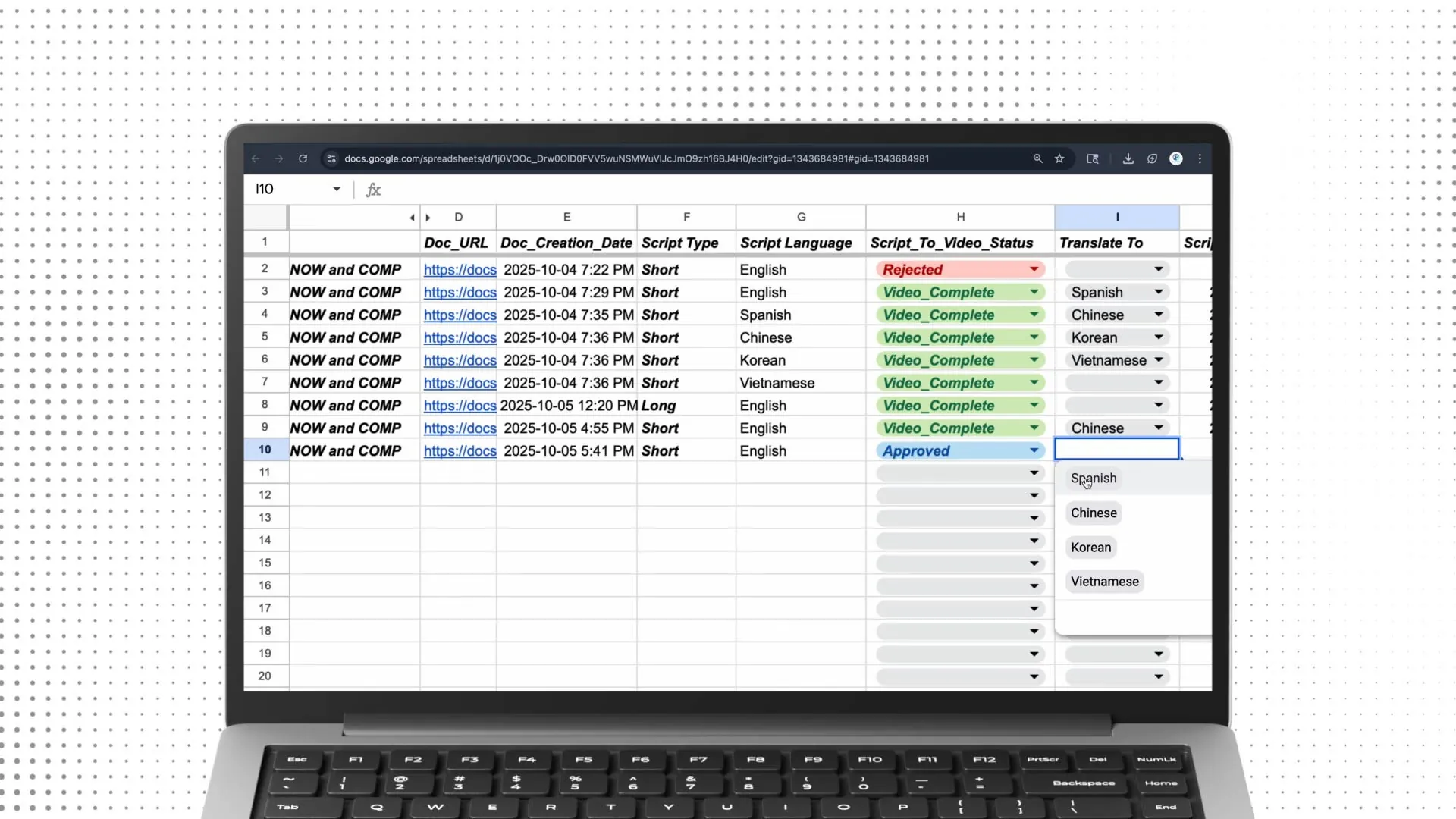
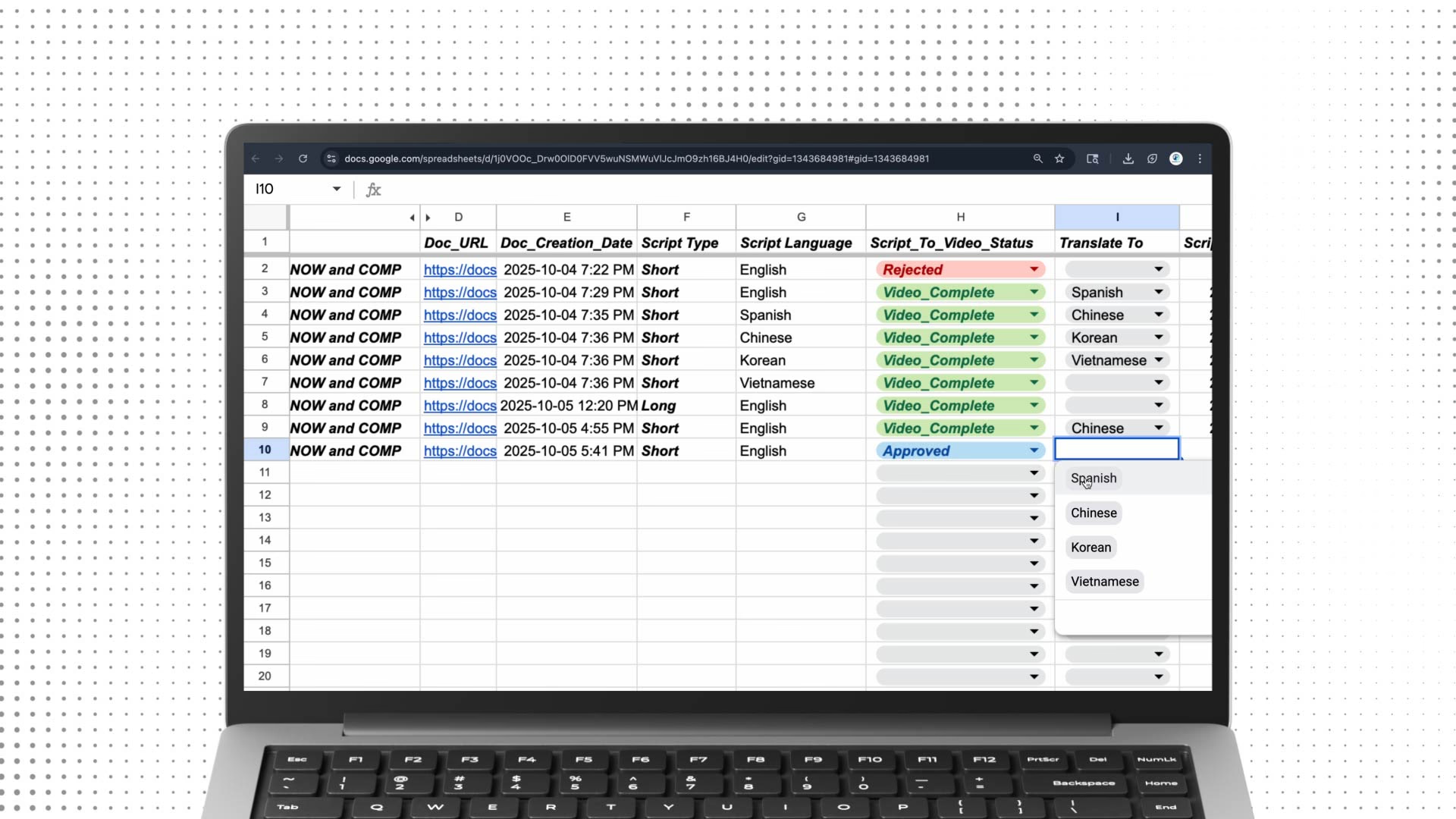
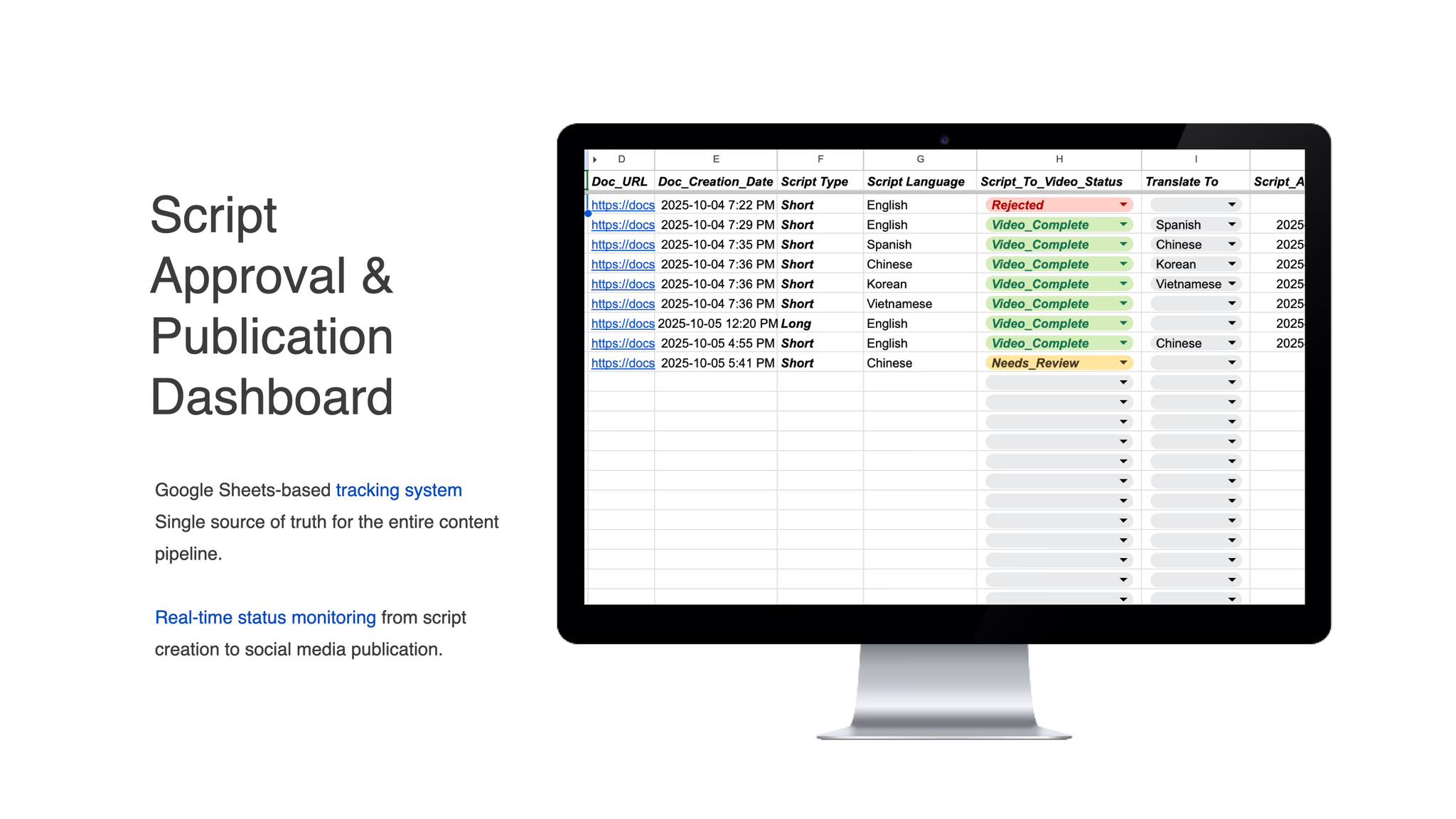
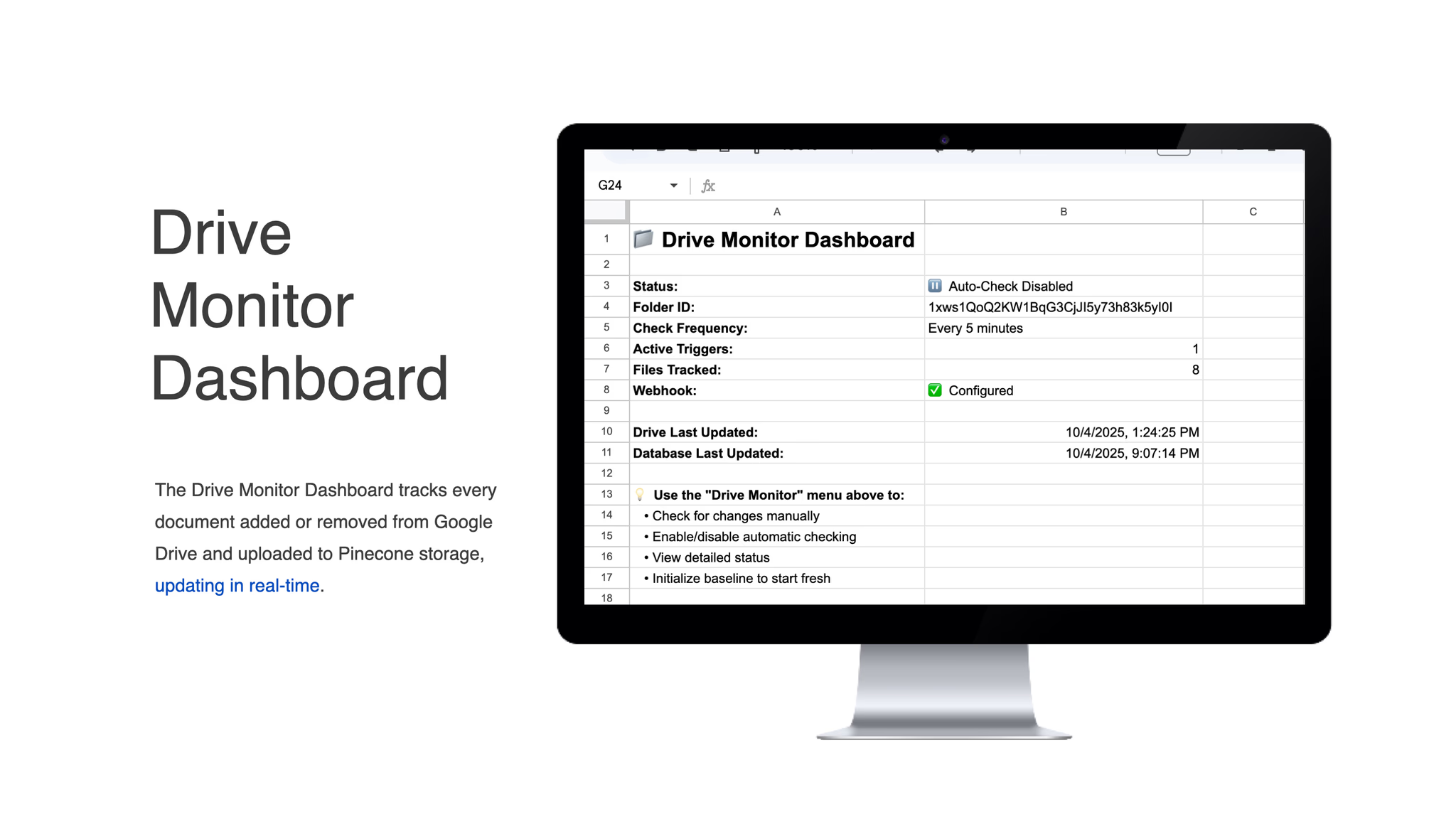
Navigate IDD runs on seven automated workflows in n8n, about a hundred steps in all, connected through one Google Sheet that works as the control panel. Below is that system, redrawn so you can follow it. Pick a stage, press Run to watch it in order, or open the real workflow behind it.
Every line traces back to policy
Scripts are written only from sections retrieved from the official waiver documents, and the script writer is told not to add anything from general knowledge. A policy expert approves every script before any video is made, and again before anything is published. Nothing reaches families without a person signing off.
What families see
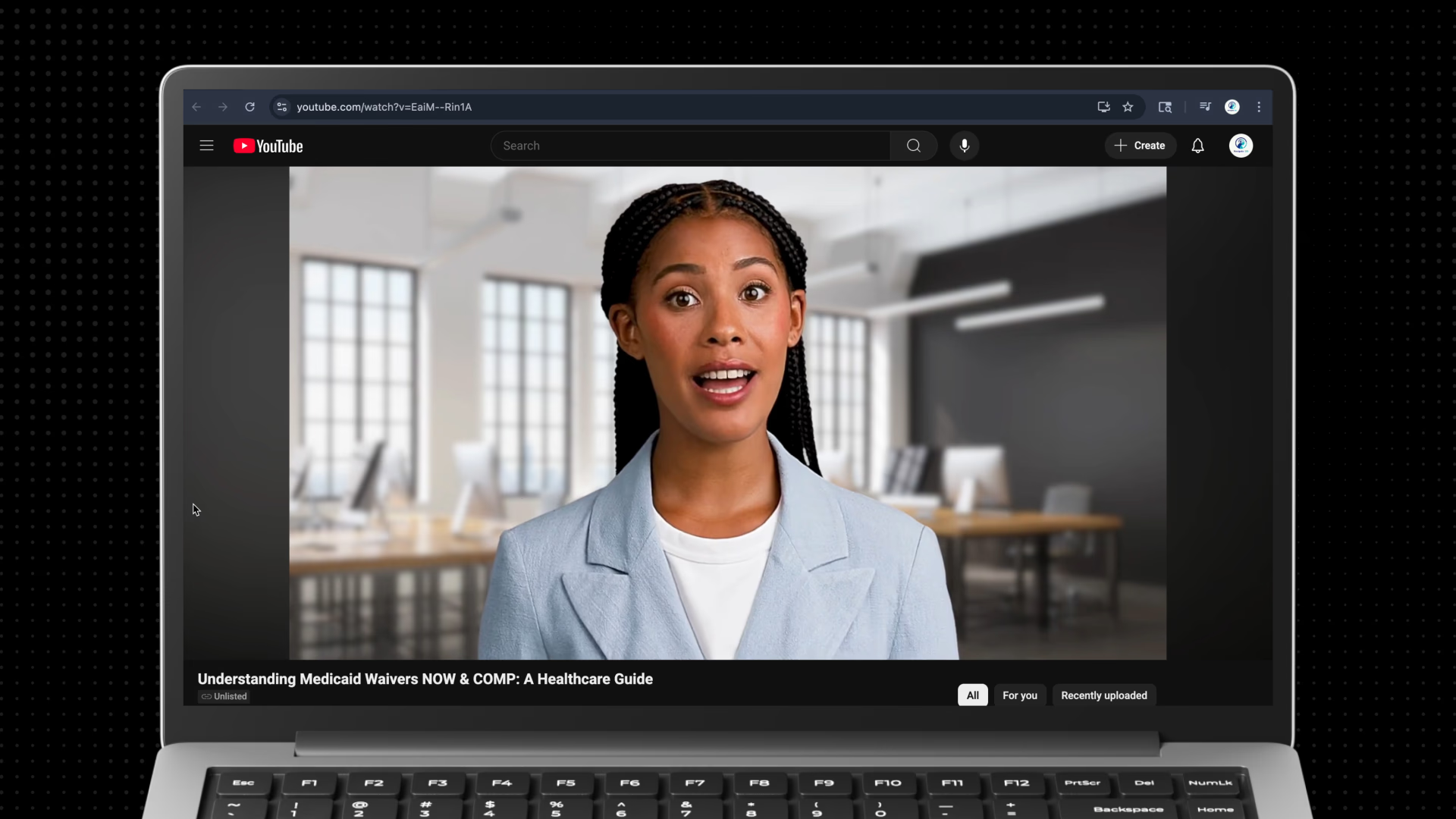
The result is a short explainer with an avatar presenter, in the family’s own language, published with a title and description that make it easy to find.

Results
- Content creation time cut by about 90%, from weeks to minutes.
- Videos in five languages: English, Spanish, Chinese, Korean, and Vietnamese.
- Under 2 minutes from topic to draft script, and under 15 minutes from approval to finished video.
- Every script traceable to verified policy text.